

 See My Latest Article on HelloNation

Closing a bank account in Purvis, MS, is usually straightforward, but doing it too quickly can lead to rejected payments, overdraft fees, lost statements, or trouble proving that the account was properly closed. The safest approach is to open any replacement account first, move recurring activity carefully, allow pending transactions to clear, and obtain written confirmation from the financial institution.
Should a new account be opened before the old one is closed?
Usually, yes. Keeping both accounts open briefly creates a transition period for moving deposits and payments without interrupting household finances.
A new account may be needed for:
- Paychecks or benefit payments deposited electronically
- Mortgage, rent, insurance, loan, utility, or subscription payments
- Mobile payment applications and money-transfer services
- Emergency savings or funds needed for seasonal household expenses
- Access to cash if the old debit card is canceled
Before opening or using the replacement account, confirm its routing number, account number, balance requirements, transaction limits, and available ways to withdraw cash. Area households may also want to consider how they will access money during severe weather, power outages, or internet interruptions. Keeping a small amount of emergency cash available can reduce dependence on mobile banking during a temporary service disruption.
What payments and deposits must be moved?
Make a complete list of every transaction connected to the account. Reviewing several months of statements is more reliable than trying to remember each payment.
Look for:
- Direct deposits from employers, retirement plans, government benefits, or other sources
- Automatic bill payments
- ACH withdrawals authorized by lenders or service providers
- Recurring debit-card charges
- Transfers to savings, investment, or payment applications
- Checks that have been written but have not cleared
- Scheduled transfers between accounts
- Annual or occasional charges, such as insurance renewals or property-related bills
Update each company or organization separately. Changing the account information at the bank does not automatically update every outside company authorized to withdraw money.
For direct deposits, allow enough time for the payer to process the change. Verify that at least one expected deposit has arrived in the new account before relying on it. If a paycheck or benefit payment is scheduled close to the planned closing date, leaving the old account open longer may be safer.
How should automatic payments be canceled or redirected?
First, arrange for future payments to come from the new account. Then cancel or change the old authorization with the company receiving the payment.
It is useful to keep written records showing:
- The date the payment was changed or canceled
- The name of the company contacted
- The effective date
- Any confirmation number or email received
Canceling an automatic debit does not cancel the bill or loan obligation. A loan payment still must be made through another method, and ending a subscription payment may not end the underlying service agreement.
If a company continues withdrawing money after authorization has been revoked, notify the bank promptly. The bank may explain whether a stop-payment order, written dispute, or another procedure is required. Stop-payment services may involve a fee, and requirements vary by account agreement.
Should pending transactions be allowed to clear?
Yes. Closing an account while transactions are still pending can create avoidable problems.
Review the account for:
- Pending debit-card purchases
- ATM withdrawals that have not fully posted
- Electronic payments scheduled for a later date
- Deposits that are not yet fully available
- Checks issued to individuals or businesses
- Returned payments or recently incurred fees
A debit-card transaction shown as pending may later post for a different amount. This can happen with fuel purchases, restaurants, lodging, and other transactions where the final amount is adjusted after the initial authorization.
Leave enough money in the old account to cover legitimate transactions that have not posted yet. Do not transfer every dollar based only on the current available balance. The ledger balance, available balance, and pending activity may not reflect the same amount.
What if the account is overdrawn?
An overdrawn account generally must be brought back to a positive balance before it can be closed. Ask the bank for the exact payoff amount, including pending fees or transactions.
Do not ignore a negative balance. An unpaid overdraft may be sent to collections or reported to a checking-account screening company, which could make it harder to open another account later. Keep proof of payment and request documentation showing that the balance has been satisfied.
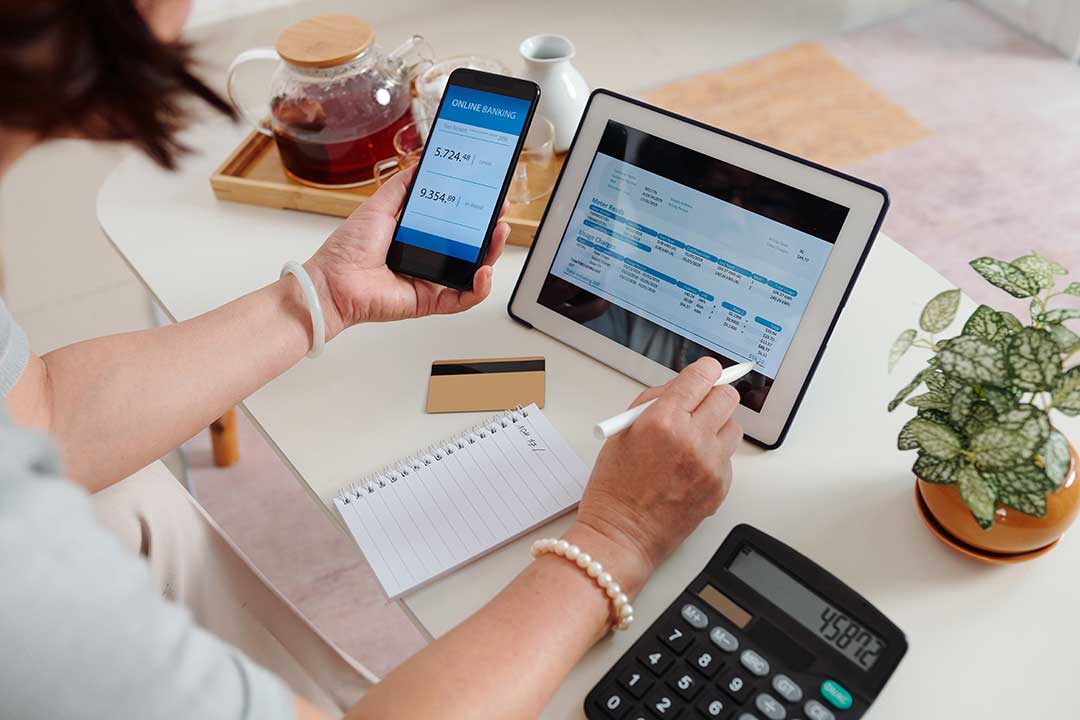
If an unexpected fee appears, review the account agreement and ask for an explanation. A disputed charge should be addressed before closure rather than assumed to disappear.
How is the account actually closed?
Banks and credit unions may allow closure by phone, online message, mail, or in person. The required process depends on the institution and the type of account.
The request may require:
- The account number
- Identification
- A signature or secure electronic authorization
- Instructions for sending the remaining balance
- Agreement from all required account owners
For a joint account, account-closing authority may depend on the account terms and state law. One person may not always be able to close the account without the other person’s participation.
Ask for written confirmation that includes the closure date and the final balance. If the remaining money is issued by check, keep the check and related correspondence until it has been deposited and the account is confirmed closed.
What records should be saved?
Download or request statements covering the period needed for taxes, housing records, benefits, disputes, or personal recordkeeping. Some online banking access may end soon after closure.
Keep:
- Final account statements
- Closure confirmation
- Proof of the final transfer or check
- Records of changed direct deposits
- Confirmation of canceled automatic payments
- Copies of disputed-transaction correspondence
- Tax forms associated with the account
Save digital records in a secure location and shred paper statements that are no longer needed. Account numbers, addresses, and transaction details can create identity-theft risks if discarded carelessly.
What should be done with checks and cards?
After receiving confirmation that the account is closed, destroy unused checks, deposit slips, debit cards, and ATM cards linked to the old account. Cut through the card number and security code rather than placing an intact card in the trash.
Do not assume that an old check is harmless simply because the account has been closed. An unused check contains information that could be misused. If checks remain outstanding, notify the intended recipients and arrange another form of payment before closure.
What should be monitored after closure?
Review the old account’s final activity for several weeks, or longer if the bank recommends it. Watch for late-presented checks, delayed ACH activity, refunds, returned deposits, or fees posted after the closure request.
Continue checking the new account for missed deposits and duplicate payments. This matters especially during periods when household schedules change, such as school breaks, storm preparation, insurance renewals, or seasonal work.
If money is withdrawn after the account was supposed to be closed, contact the bank promptly and provide the written closure confirmation. Keep a dated record of every conversation and message until the issue is resolved.
A bank account is safest to close only after its financial activity has been transferred, its pending transactions have settled, its balance is resolved, and the closure has been documented.