

 See My Latest Article on HelloNation

Residents in Purvis, MS may see a debit card purchase, ATM withdrawal, check, or electronic payment declined for several different reasons. A declined transaction does not always mean the account is closed or that money has disappeared. Often, the issue involves available funds, security controls, account limits, or a temporary authorization problem.
The fastest way to understand the situation is to identify the type of transaction, check the account’s available balance, and review any alert or message from the financial institution.
Is there enough money in the available balance?
Insufficient available funds are among the most common causes of a declined transaction. The balance shown in an account may not equal the amount that can be used immediately.
Available funds can be reduced by:
- Pending debit card purchases
- Automatic bill payments
- Checks that have not fully cleared
- ATM withdrawals
- Temporary authorization holds
- Deposits that are still subject to a hold
- Previously scheduled transactions
For example, an account may show a current balance of $400 but an available balance of only $260 because a $140 card payment is still pending. A purchase for more than $260 could be declined even though the current balance appears higher.
This distinction can matter for households managing recurring expenses, seasonal bills, or irregular income. Checking the available balance rather than relying only on the ledger or current balance gives a more accurate picture of what can be spent at that moment.
Could an authorization hold be using the money?
A temporary authorization hold can make an account appear to have less money available. The hold may be placed before the final transaction amount is known or before the transaction settles.
Common examples include:
- Fuel purchases
- Lodging deposits
- Car rentals
- Restaurant payments where a tip is added later
- Online orders that are processed in stages
A hold is not always a completed charge. It may remain pending for a period of time before being adjusted or released. If several holds occur close together, they can reduce available funds enough to cause another transaction to fail.
This can be especially confusing when a person sees both a pending transaction and a later posted transaction for what appears to be the same purchase. Reviewing the transaction details can help determine whether one entry is temporary or whether two separate charges actually occurred.
Was the card blocked for suspected fraud?
Banks and card networks routinely monitor transactions for unusual activity. A purchase may be declined if it differs from normal account behavior, occurs in an unusual location, involves an unfamiliar online merchant, or appears inconsistent with previous transactions.
A fraud-related decline may happen even when the account has enough money. The bank may be trying to prevent unauthorized use rather than indicating a balance problem. A transaction can also be blocked after several incorrect card verification attempts or after a card has been reported lost or compromised.
If a purchase was declined unexpectedly, check for a text message, email, mobile alert, or account notification. Do not share a full account number, password, one-time verification code, or PIN with anyone who contacts you unexpectedly. If the transaction was not authorized, notify the financial institution promptly. Federal consumer protections may depend partly on how quickly an unauthorized electronic transaction or lost card is reported. ([consumerfinance.gov](https://www.consumerfinance.gov/ask-cfpb/how-do-i-get-my-money-back-after-i-discover-an-unauthorized-transaction-or-money-missing-from-my-bank-account-en-1017/?utm_source=openai))
Has the card expired, been replaced, or not been activated?
A transaction may fail if the card:
- Has expired
- Was recently replaced
- Has not been activated
- Has been temporarily locked
- Has damaged or unreadable chip information
- Is being used with an outdated expiration date or security code for an online purchase
When a replacement card is issued, recurring payments may continue trying to use the old card information. Some payment systems update card details automatically, while others require the account holder to enter the new information manually.
For an in-person purchase, trying the card again may help identify whether the problem was a temporary read error. Repeated declines, however, are a reason to review the card status through a verified banking channel rather than continuing to retry the payment.
Did the transaction exceed a daily or account limit?
Many accounts have limits on ATM withdrawals, debit card purchases, transfers, or electronic payments. A transaction can be declined after the limit has been reached, even if sufficient funds remain.
Limits may apply to:
- Total ATM withdrawals in one day
- Total debit card spending in one day
- Person-to-person transfers
- External account transfers
- Mobile check deposits
- Cash withdrawals from certain account types
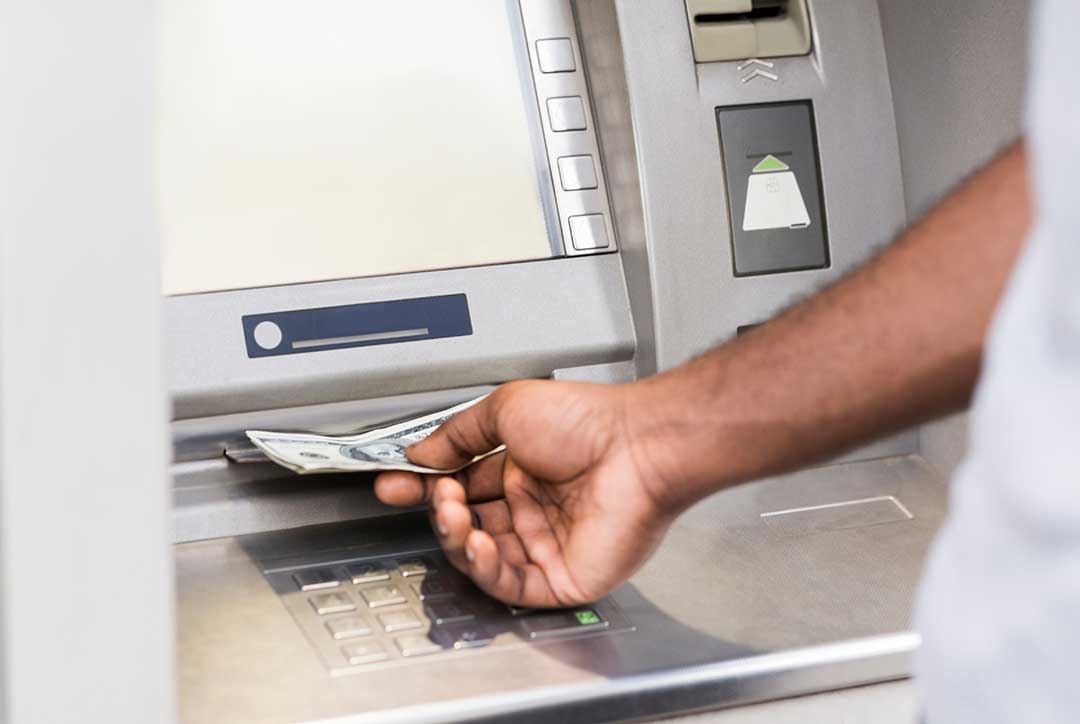
The limit may be based on the account agreement, a temporary security setting, or a limit imposed by the card issuer. Daily limits can reset at a specific time, which may not always match midnight in the account holder’s local time.
Could the merchant or payment information be the problem?
Sometimes the bank is not the only source of the decline. An online or telephone payment may fail because the billing address, ZIP code, expiration date, security code, or account number does not match the information on file.
Other possibilities include:
- The merchant submitted an incorrect amount
- The payment processor had a temporary outage
- The merchant does not accept the card type
- A recurring payment was canceled or changed
- The account information was entered incorrectly
- The merchant placed a hold larger than the expected purchase
A declined online transaction does not automatically prove that the account is restricted. Checking the entered information carefully and looking for a duplicate pending charge can prevent repeated attempts that create additional holds.
Why are checks and automatic payments treated differently?
A declined debit card purchase is different from a returned check or rejected ACH payment. One-time debit card and ATM overdraft coverage generally requires the consumer to opt in before a bank can charge an overdraft fee for those transactions. If there is not enough available money and no applicable coverage, the card or ATM transaction may simply be declined. ([consumerfinance.gov](https://www.consumerfinance.gov/ask-cfpb/what-can-i-do-if-my-bank-charged-me-a-fee-for-overdrawing-my-account-en-1037/?utm_source=openai))
Checks and recurring electronic payments can follow different rules. They may be paid into overdraft, returned unpaid, or assessed an insufficient-funds fee depending on the account agreement and the institution’s policies. A declined payment may also result in a returned-item fee from the merchant. ([consumerfinance.gov](https://www.consumerfinance.gov/ask-cfpb/what-can-i-do-if-my-bank-charged-me-a-fee-for-overdrawing-my-account-en-1037/?utm_source=openai))
This is why a debit card purchase might be rejected at the register while an automatic utility payment posts later and leaves the account negative.
What should be checked after a transaction is declined?
Start with the transaction type and the exact message shown. Then:
- Compare the current balance with the available balance.
- Review pending transactions and recent deposits.
- Look for temporary authorization holds.
- Confirm that the card is active and has not expired.
- Check whether the transaction may have exceeded a daily limit.
- Review alerts for possible fraud prevention blocks.
- Avoid repeatedly attempting a payment if multiple holds could result.
- Use the phone number or secure message feature shown inside official account materials or a verified banking application.
If the decline involved a transaction that was not authorized, report it promptly and monitor the account for additional activity. If the same legitimate payment continues to fail, the financial institution can usually identify whether the cause is a security restriction, card problem, account limit, or merchant-side error.